

Many businesses are extremely proud of having around 1-3 million data. However, the “freshness” of this data is not verified. They forget that whether the data can still interact with the brand or not is a vital factor.
Refresh Data

Through the process of collecting data from both online and offline channels, including Outlets and Activation, Gamification activities, businesses have owned a massive amount of customer data.
“Refresh data” is a specialized term referring to the process of updating or renewing information to ensure the accuracy and current state of the data for reasonable and optimal utilization.
Instead of spending money on an extremely large customer database, through refresh activities, we can filter the existing data store to re-engage the right target customer groups. The problem is how to effectively perform the refresh operation?
When building a data system for a business, usually only about 10% to 15% of the total data owned by the business is reusable. This is a common situation that can be understood because almost every brand has a large amount of data collected through handwriting and has not been verified.
To solve the problem of keeping data fresh, businesses often verify customer data. There are many ways to perform this step, such as sending a message with a link for users to access, setting up automated calls to verify. The most common way in businesses, especially in the retail and service industries, is for the Telesales team to call the existing phone number list. Customers who pick up the phone will be rated as “passed the verification round.” However, it is clear that the set of criteria for verifying the accuracy of this data is quite loose.
First of all, businesses need a reasonable strategy starting right from data collection: What information do we gather? How does this information serve the business’s purposes? How do we collect it so that customers do not feel they are giving away too much? Furthermore, businesses need to know and target the necessary data fields to avoid wasting resources and budgets. Because a business can have many diverse customers of diverse ages, professions, from students, students, pregnant women, to the elderly.
A data system like CDP will be a solid foundation to help businesses make the right decisions thanks to automated customer segmentation.
How to use “fresh” data after the ‘refresh’ process for maximum efficiency?
Before using data, it is important to have specific goals and strategies for how to use them. And the way to leverage data to bring good results for the business, worth the effort spent to obtain it, is to continuously interact with customers on Zalo.

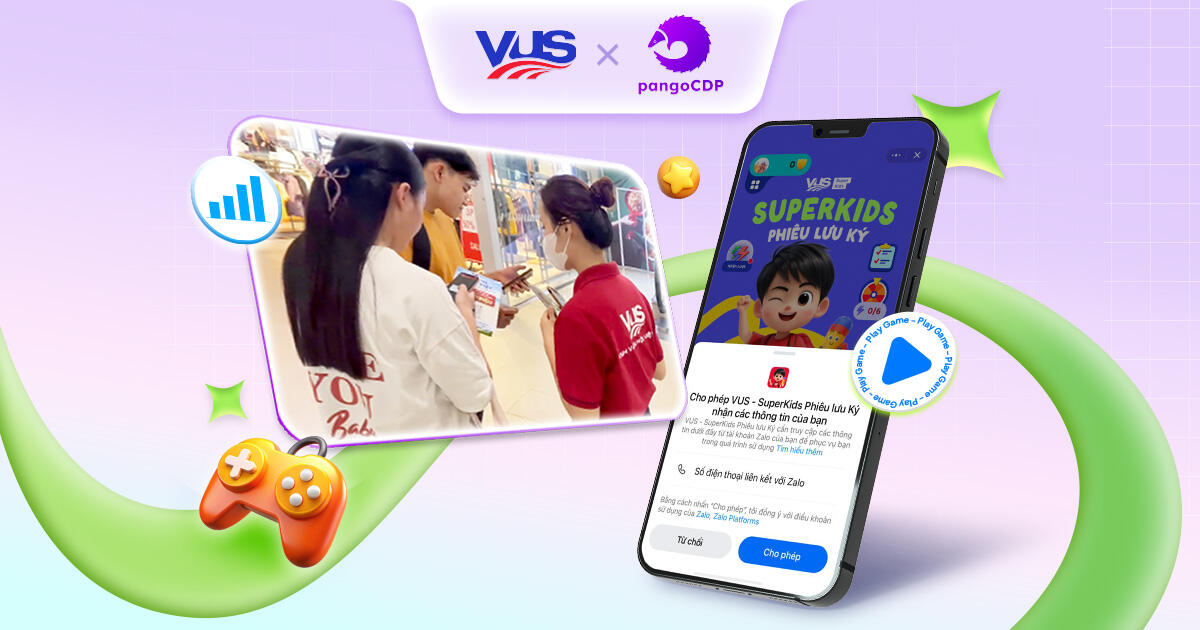
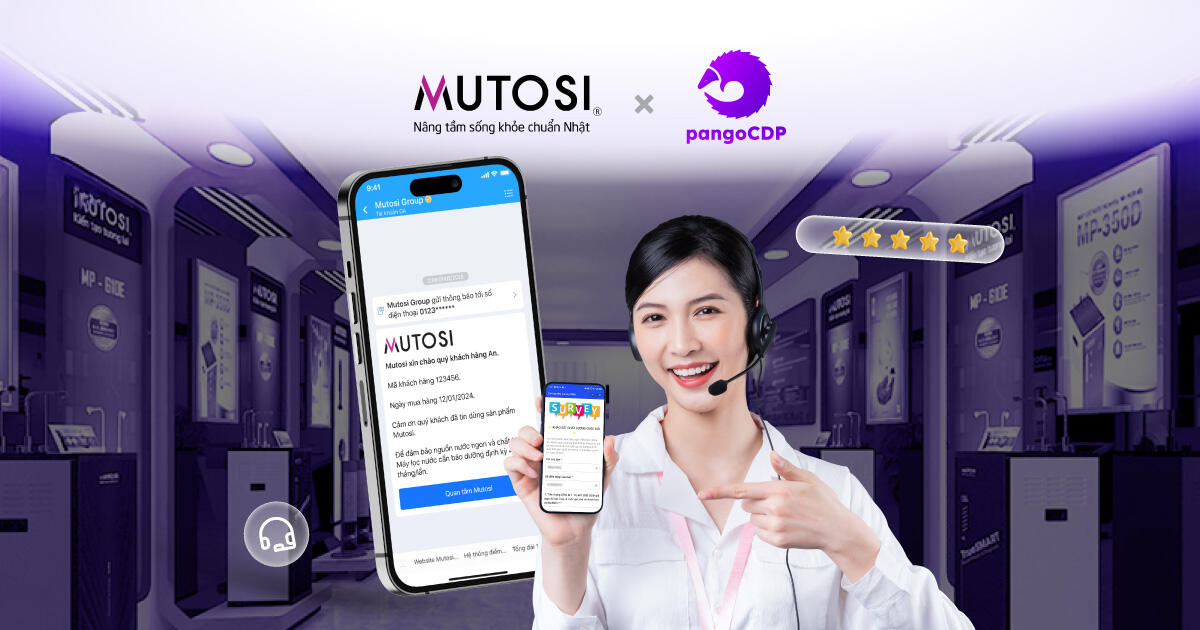
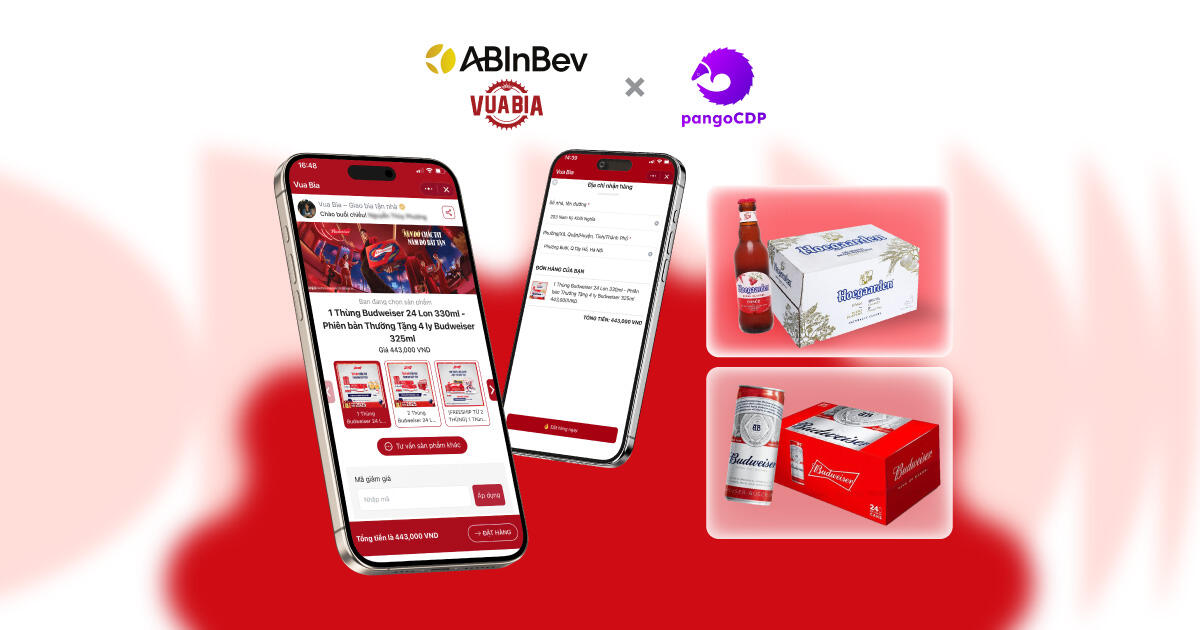
Brands can send personalized messages via OA or create activities with brands through Mini Apps such as ordering, participating in surveys, playing games to get vouchers, distributing samples, searching for the nearest store to receive samples, accumulating points on the loyalty app to receive discounts when purchasing, etc. All through a single main channel.
The important thing is that PangoCDP will help you not miss any important customer data. At the same time, it also ensures the collected data does not become cold and lose its value. All serve the purpose of helping brands engage with customers more and create sales opportunities through experiential activities.
When approaching customers, we simply ”know” them by phone number. But with PangoCDP, the interaction is continuous, we can know and understand customers more, from desires, interests to habits, shopping behaviors, to optimize activities to meet their desires.
With the effort to obtain consumer data from all channels, systematize data with CDP, businesses can select potential customers. Maintaining interaction with these customers through Zalo is extremely important and necessary, so that all efforts to collect user data of the business from start to end are not wasted.